


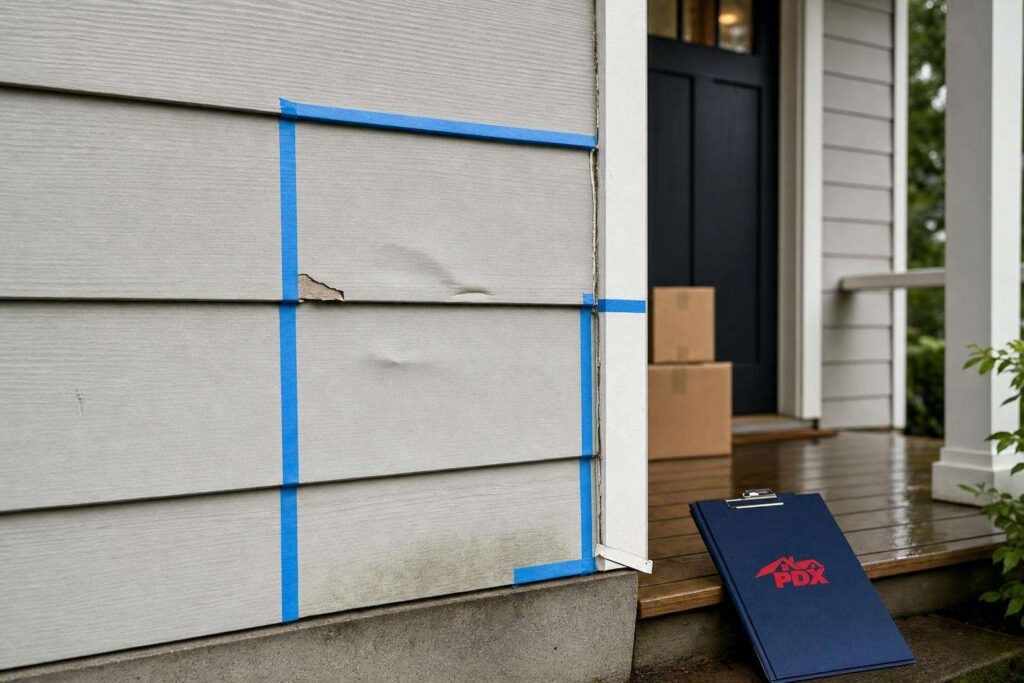
Why Siding Repair Zones Matter After Move-In
Move-in day can reveal exterior issues that were easy to miss during showings, inspections, or final walkthroughs. Once furniture is inside and daily routines begin, chipped siding, loose trim, impact marks, and moisture-prone areas become more noticeable from the street, driveway, or entry path.
For homeowners, landlords, property managers, and tenants in the Portland Metro area, planning siding repair by zones helps keep the exterior organized, attractive, and easier to maintain. Instead of treating the entire home as one large project, repair zones focus attention on the areas that most affect curb appeal and long-term performance.
Pdx roofing and siding provides honest guidance for siding repair and maintenance, siding replacement, roof repair, and related home exterior upgrades across Portland, OR.
Start With the Most Visible Curb Appeal Zones
The first siding repair zone should usually be the area people see first. This often includes the front elevation, porch, garage face, and entry approach. These areas shape the first impression of the home and can make minor damage feel more noticeable.
Front Entry and Porch Zone
The entry zone often gets frequent contact from deliveries, moving boxes, pets, planters, and foot traffic. Look for:
- Cracked or dented siding panels near the door
- Loose trim around windows and entry frames
- Caulk separation where siding meets trim
- Paint wear or staining at handrail and porch connections
- Soft or swollen sections that may suggest moisture exposure
Repairing this area early can help the home feel cared for immediately after move-in without jumping straight to full siding replacement.
Garage and Driveway Zone
Garage-facing siding often experiences scuffs, impact damage, irrigation overspray, and weather exposure. Because it is highly visible from the street, mismatched repairs or deferred maintenance can stand out quickly.
A professional siding repair plan may include panel replacement, trim repair, flashing review, or paint-matching recommendations depending on the material and condition.
Check Moisture-Prone Siding Zones
Portland homes need exterior materials that can handle wet seasons, changing temperatures, and shaded areas that dry slowly. Moisture-prone siding zones should be reviewed soon after move-in, especially if the home has mature landscaping or limited sun exposure.
Lower Wall Sections
Lower siding sections near soil, mulch, walkways, and decks can be vulnerable to splashback and trapped moisture. Watch for:
- Peeling paint or finish failure near grade
- Warping, swelling, or softness
- Gaps where siding meets trim or flashing
- Discoloration behind shrubs or planters
- Previous patchwork that does not blend with the surrounding exterior
If the existing siding is aging or repeatedly damaged, fiber cement siding may be considered during a larger siding replacement discussion. A licensed roofing company that also understands siding can help evaluate roofline drainage, wall protection, and exterior transitions together.
North-Facing and Shaded Walls
Shaded walls can stay damp longer than other areas of the home. This does not automatically mean the siding needs replacement, but it does mean repairs should be planned carefully. The goal is to address the cause of visible damage, not just the surface appearance.
Inspect Roof-to-Siding Transition Zones
Some siding concerns begin where the roof, gutters, flashing, and walls meet. These transition zones are important because water movement from the roof can affect siding performance over time.
Chimney, Dormer, and Wall Intersection Areas
Areas around dormers, chimneys, and roof-wall intersections should be checked for loose siding, failed sealant, staining, or signs of water tracking. If roof repair is also needed, coordinating the work can help protect both the roof and siding systems.
As a Portland roofing contractor, Pdx roofing and siding can review roof installation details, asphalt shingle roofing conditions, roofing materials, and siding connections as part of a broader exterior evaluation.
Gutter and Downspout Impact Zones
Overflowing or misdirected gutters can damage siding below the roofline. After move-in, take note of stains, splash marks, or siding deterioration beneath gutter corners and downspouts. If water is repeatedly hitting the wall, siding repair alone may not solve the issue.
Pay Attention to High-Use Tenant and Move-In Zones
For rental homes, duplexes, townhomes, and managed properties, siding damage often appears in high-use zones. Tenants may notice issues after move-in when they begin using side gates, patios, parking areas, and trash storage spaces regularly.
Side Yard and Gate Zones
Side yards often handle trash bins, bikes, ladders, hoses, and frequent gate traffic. Siding in these areas may show dents, scrapes, or loose trim. Clear documentation helps landlords, property managers, and tenants understand what was present at move-in and what needs professional attention.
Patio and Deck Zones
Decks and patios can hide siding issues behind furniture, grills, planters, and storage items. When reviewing these zones, check around door thresholds, ledger areas, hose bibs, and exterior outlets. These details can affect both appearance and durability.
When a Repair Zone Becomes a Replacement Conversation
Targeted siding repair is useful when damage is limited and the surrounding material remains sound. However, siding replacement may be worth discussing if multiple zones show recurring issues, widespread deterioration, moisture-related damage, or material that no longer performs as expected.
A professional assessment can help determine whether the home needs limited repair, phased siding replacement, or coordinated home exterior upgrades. This is especially helpful when roof repair, emergency roof repair readiness, gutter issues, or roofing materials are also part of the property’s condition.
How to Prioritize Siding Repair Without Hurting Curb Appeal
A practical repair plan should balance appearance, performance, and budget planning. Start with the areas that affect street view and weather protection, then move toward less visible sections.
- First priority: Moisture-related damage, loose siding, and roof-to-wall transition issues.
- Second priority: Front-facing curb appeal areas such as entry, porch, and garage walls.
- Third priority: High-use move-in areas such as side yards, patios, and service paths.
- Fourth priority: Cosmetic blending, paint touchpoints, and trim consistency.
This zone-based approach helps avoid scattered repairs that look disconnected from the rest of the exterior.
Work With a Local Exterior Team
Portland homes benefit from siding and roofing guidance that accounts for local weather patterns, exterior material choices, and neighborhood curb appeal. Whether the issue is a small siding repair zone or a larger siding replacement plan, the right contractor should explain the options clearly and avoid pressure-based recommendations.
Pdx roofing and siding helps homeowners, tenants coordinating through property owners, landlords, and property managers plan exterior repairs with practical next steps. Services and offers are subject to availability and approval.
Request Help From Pdx Roofing and Siding
If you noticed siding damage after move-in, Pdx roofing and siding can help review the repair zones that matter most for curb appeal and weather protection in Portland and the surrounding Metro area. For practical next steps, Get roof installation help and talk with the team about timing, scope, and the right path for your situation.