
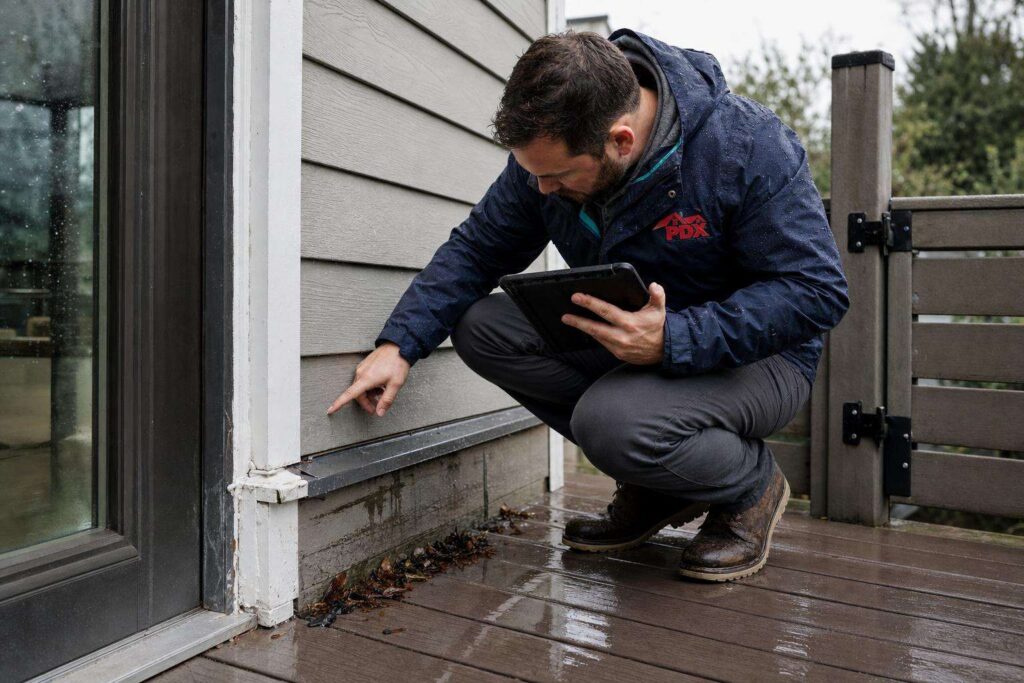
Why Deck and Balcony Siding Interfaces Need Extra Attention
For rental property managers, decks and balconies are more than outdoor amenities. They are high-exposure areas where siding, trim, flashing, doors, rail connections, and walking surfaces all meet. In Portland and the broader Portland Metro, repeated rain, shaded elevations, and seasonal wind can push moisture into small gaps if these details are not maintained.
The siding interface around a deck or balcony is especially important because water can collect, splash back, or drain slowly near wall transitions. If the area is overlooked, small defects can develop into siding repair needs, structural concerns, or interior moisture complaints from tenants.
Pdx Roofing and Siding helps property managers evaluate exterior systems with honest guidance, whether the property needs targeted siding repair, siding replacement, roof repair, or coordinated home exterior upgrades.
Common Trouble Spots Around Decks and Balconies
During routine property walks, pay close attention to the places where different exterior components meet. These transitions often reveal early signs of water management problems.
- Ledger board areas: Where a deck connects to the building wall, flashing must help direct water away from the structure.
- Door thresholds: Balcony and deck doors need proper clearance, drainage, and sealed transitions to reduce water intrusion risk.
- Inside corners: Corners near decks can trap moisture and debris, especially on shaded sides of the building.
- Rail attachments: Penetrations through siding or trim should be properly sealed and monitored for movement.
- Siding-to-deck clearances: Siding that is too close to horizontal surfaces can stay wet longer and deteriorate sooner.
- Trim boards and lower courses: Swelling, paint failure, soft spots, or separation may point to ongoing moisture exposure.
Inspection Priorities for Rental Property Managers
A consistent inspection process helps catch issues before they become larger tenant-facing problems. Property managers do not need to diagnose every exterior assembly detail, but they should know what to flag for a licensed roofing company or siding professional.
Look for Visible Moisture Clues
- Dark staining below balcony corners or deck ledger areas
- Peeling paint, bubbling coatings, or swollen trim near walking surfaces
- Soft or crumbly siding at lower wall sections
- Gaps where siding, trim, flashing, or sealant has pulled apart
- Water marks around interior walls near deck or balcony doors
Check Drainage and Debris Buildup
Leaves, needles, soil, and tenant belongings can block drainage paths or hold moisture against siding. Keep deck surfaces, balcony edges, and wall intersections clear so water can move away from the building as intended.
Document Conditions Consistently
For multi-unit properties, use photos and unit-specific notes to track exterior conditions over time. Documentation helps prioritize maintenance, communicate with owners, and respond clearly when tenants report leaks, staining, or musty odors.
Maintenance Practices That Reduce Moisture Risk
Good maintenance is less about one-time patching and more about keeping the exterior system working as designed. When decks and balconies are part of a rental portfolio, these practices can help reduce recurring service calls.
- Keep clearances open: Avoid storing planters, mats, or furniture directly against siding where moisture can be trapped.
- Maintain coatings and caulking appropriately: Failed sealant or exposed trim should be evaluated and addressed with the right materials for the assembly.
- Control vegetation: Trim back branches and shrubs that shade siding, rub against walls, or slow drying.
- Watch roof drainage above decks: Overflowing gutters or poorly directed downspouts can add extra water to siding interfaces. This may call for roof repair or gutter-related maintenance.
- Coordinate exterior trades: Siding, roofing, decks, and waterproofing details often overlap. A Portland roofing contractor familiar with exterior systems can help identify related concerns.
When Siding Repair Becomes Siding Replacement
Not every stained board means the property needs siding replacement. However, repeated deterioration in the same area can indicate a deeper water management issue. Property managers should request a professional evaluation when damage returns after prior repairs, when siding feels soft, or when interior moisture signs appear near the deck or balcony wall.
For Portland rental properties, durable materials and correct installation details matter. Fiber cement siding is commonly considered for home exterior upgrades because it can perform well when installed with the proper clearances, flashing, and maintenance. The right choice depends on the building, exposure, budget, and existing assembly.
How Roof and Siding Systems Work Together
Deck and balcony siding problems are not always isolated to the wall. Roof drainage, roof penetrations, gutters, and upper-level flashing can send water toward vulnerable siding interfaces. A contractor experienced in both roofing and siding can look at the building envelope as a connected system.
If your property is also planning roof installation or evaluating roofing materials such as asphalt shingle roofing, it is a good time to review nearby siding transitions, deck connections, and balcony drainage. Coordinating work can help reduce disruption for tenants and support a more complete exterior plan.
For active leaks, storm damage, or sudden water intrusion, property managers should treat the issue as urgent and contact a qualified professional for emergency roof repair or exterior leak evaluation as soon as possible.
Tenant Communication Tips
Tenants can help identify early warning signs, but they need clear instructions. Add simple exterior reporting guidelines to move-in materials or seasonal reminders.
- Ask tenants to report water stains near balcony or deck doors promptly.
- Remind tenants not to place planters, rugs, or storage directly against siding.
- Request photos when they notice staining, dripping, soft trim, or interior dampness.
- Clarify that exterior penetrations, mounted items, and railing modifications require property approval.
Plan Maintenance Before the Rainy Season
For Portland rental properties, it is wise to inspect deck and balcony siding interfaces before extended wet weather. Early attention can help property managers schedule work more predictably, reduce tenant disruption, and avoid allowing small exterior defects to expand.
A professional inspection can also help determine whether the property needs focused siding repair, larger siding replacement, roof repair, or related home exterior upgrades.
Talk With Pdx Roofing and Siding
Pdx Roofing and Siding provides knowledgeable exterior guidance for property managers throughout Portland, OR and the Portland Metro. If your rental property has deck or balcony siding concerns, our team can help evaluate the issue and recommend practical next steps based on the condition of the building.
Services and offers are subject to availability and approval. For practical next steps, Call roof installation now and talk with the team about timing, scope, and the right path for your situation.