


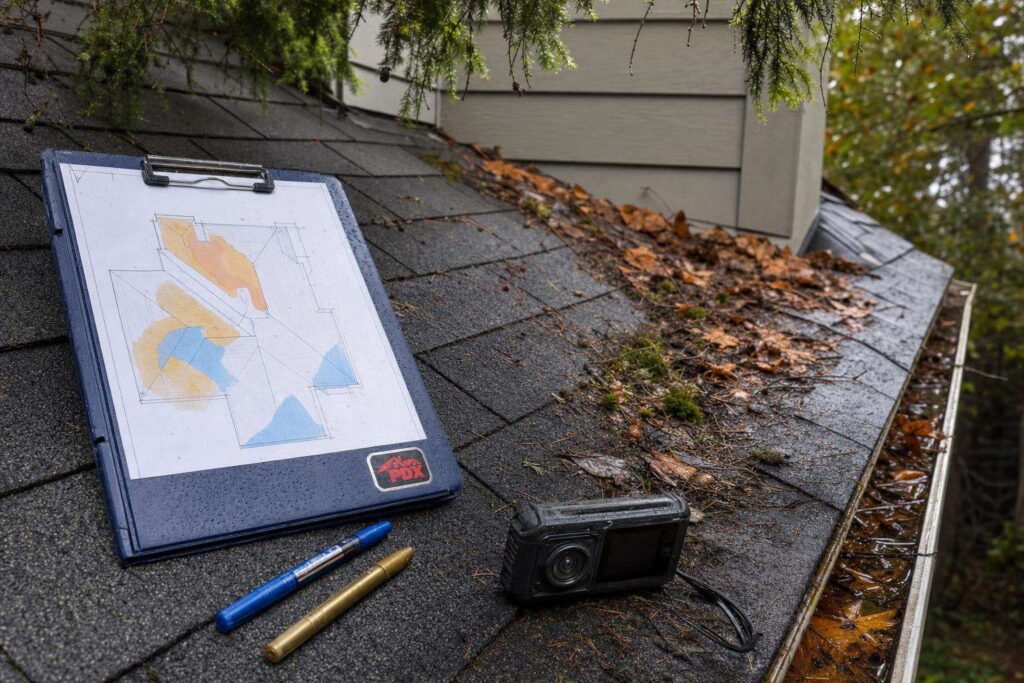
Why Debris Load Mapping Matters for Tree-Covered Portland Roofs
In Portland and across the Portland Metro, overhanging trees are part of the Northwest character. They also create a steady flow of leaves, needles, twigs, seed pods, and organic buildup on roofing materials. When that debris collects in valleys, gutters, skylight edges, low-slope areas, and around roof penetrations, it can hold moisture and slow drainage.
Debris load mapping is a practical roof maintenance method that identifies where debris gathers, how often it returns, and which areas need closer attention. For homeowners working with a Portland roofing contractor, it can help turn roof care from reactive roof repair into a more organized maintenance plan.
What Is Debris Load Mapping?
Debris load mapping is the process of documenting recurring debris zones on a roof. Instead of treating every part of the roof the same, it separates the roof into maintenance areas based on exposure, tree canopy, slope, drainage paths, and past buildup.
A simple debris load map may note:
- High-load zones: Areas under large overhanging branches, in valleys, or near gutters that collect debris often.
- Moderate-load zones: Sections that collect seasonal leaves or light needle buildup.
- Low-load zones: Open roof areas with good sun exposure and drainage.
- Drainage-sensitive zones: Gutters, downspouts, roof valleys, and transitions where debris can interrupt water flow.
- Material-sensitive zones: Areas where asphalt shingle roofing, flashing, or sealant details may be more affected by trapped moisture.
Common Debris Sources Around Overhanging Trees
Different tree types create different maintenance concerns. A licensed roofing company can help assess the actual conditions on your roof, but homeowners should be aware of the most common sources of debris around Northwest homes.
Leaves and Broad Organic Matter
Leaves can gather in roof valleys, behind chimneys, and along gutter lines. When wet, they can mat together and slow water movement. This is especially important in shaded areas that dry slowly.
Needles and Fine Debris
Needles can settle into small gaps, gutter channels, and rough-textured roofing surfaces. Fine debris may look minor from the ground but can build up over time in drainage paths.
Twigs and Small Branches
Twigs can block downspout openings or create small dams in valleys. Larger branch impacts may require professional roof repair, especially if shingles, flashing, or siding details are damaged.
Moss-Friendly Debris Pockets
Organic buildup can help hold moisture on shaded roof areas. While moss growth depends on several factors, debris load mapping helps identify roof sections where moisture and shade are more likely to overlap.
How a Debris Load Map Supports Roof Maintenance
A good map gives homeowners and roofing professionals a shared reference point. It can guide maintenance timing, inspection focus, and long-term planning for home exterior upgrades.
- Better inspection priorities: High-load zones can be reviewed more closely during seasonal maintenance.
- More informed roof repair decisions: Repeated buildup in one area may point to a drainage or flashing concern.
- Improved gutter and downspout planning: Debris patterns can help identify areas where drainage needs attention.
- Smarter roof installation planning: If a roof replacement is being considered, debris exposure can influence roofing materials and detailing choices.
- Coordinated exterior care: Debris can also affect siding, trim, and wall transitions, especially near tree-covered elevations.
What to Include in a Roof Debris Load Map
A debris load map does not need to be complicated to be useful. The goal is to identify repeat problem areas and connect them to maintenance actions.
Roof Zones
Divide the roof into simple sections, such as front slope, rear slope, garage roof, dormers, valleys, and gutter runs. For larger or more complex homes, a roofing professional may use photos or diagrams to mark each area clearly.
Tree Canopy Locations
Note where branches overhang the roof or where nearby trees shed onto the roof during wind and rain. Even trees that do not directly touch the roof can contribute debris.
Drainage Paths
Mark valleys, gutters, downspouts, roof-to-wall transitions, and other water movement areas. These are often the most important zones because debris can interfere with drainage.
Material Conditions
Document visible concerns such as damaged shingles, lifted flashing, worn pipe boots, clogged gutters, or stained siding. If you see signs of active leaking or storm damage, contact a qualified contractor for emergency roof repair guidance.
Debris Load Mapping and Roofing Materials
Roofing materials perform best when they are maintained according to site conditions. For example, asphalt shingle roofing near heavy tree cover may require more frequent debris removal than a roof with full sun exposure. The right approach depends on roof pitch, ventilation, drainage, shade, and surrounding vegetation.
If you are planning roof installation or replacement, discussing debris exposure with a Portland roofing contractor can help you make better decisions about materials, flashing details, gutter layout, and long-term maintenance expectations.
Do Not Ignore Siding and Wall Transitions
Tree debris does not only affect the roof. Leaves and needles can collect where rooflines meet walls, dormers, and siding. Moisture held against exterior surfaces may contribute to wear over time, especially around trim and penetrations.
If your home is also due for siding replacement, ask about durable options such as fiber cement siding and how roof drainage affects wall performance. Coordinating roofing and siding work can be helpful when planning broader home exterior upgrades.
When to Call a Roofing Professional
Some roof conditions are difficult or unsafe to evaluate from the ground. A licensed roofing company can inspect debris-prone areas, identify damage, and recommend a maintenance plan based on the actual roof system.
Consider scheduling an inspection if you notice:
- Recurring debris piles in the same valleys or gutter sections
- Overflowing gutters during rain
- Shingle granules, lifted shingles, or visible roof wear
- Water stains indoors or near attic areas
- Moss or organic buildup in shaded sections
- Siding staining or deterioration below roof edges
Plan Roof Maintenance With PDX Roofing and Siding
PDX Roofing and Siding helps Portland and Portland Metro homeowners evaluate roof conditions, plan practical maintenance, and address roof repair, roof installation, siding repair, and siding replacement needs with honest guidance. Services and offers are subject to availability and approval. For practical next steps, Call roof installation now and talk with the team about timing, scope, and the right path for your situation.