

Why Warped or Wavy Siding Deserves Attention in Portland
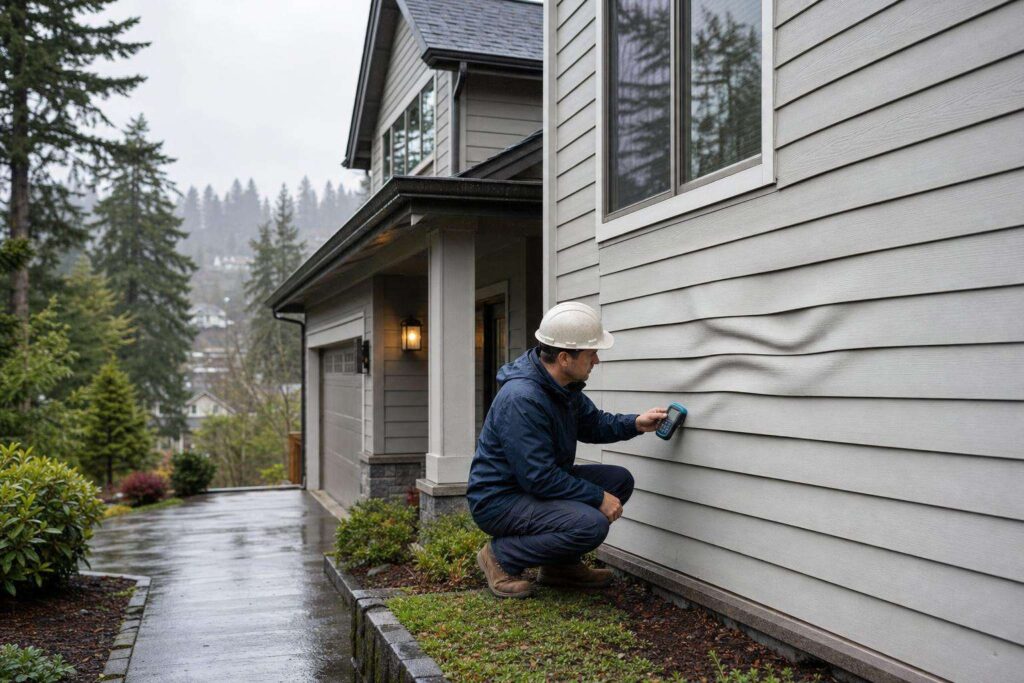
Warped or wavy siding can make a home look uneven, but the bigger concern is what the movement may be telling you. In Portland and the surrounding Portland Metro area, frequent rain, damp air, and seasonal temperature changes can expose weaknesses in siding installation, fastening, ventilation, and water management.
For homeowners, the goal is not to panic over every slight wave. The goal is to understand whether the siding is responding normally to weather or whether it is showing signs of trapped moisture, improper fastening, or material failure. PDX Roofing and Siding helps homeowners evaluate these conditions with direct, practical guidance for siding repair, siding replacement, and broader home exterior upgrades.
Common Reasons Siding Looks Warped or Wavy
Moisture Behind the Siding
Moisture is one of the most important concerns when siding begins to bow, ripple, swell, or pull away from the wall. Water can get behind siding through failed caulking, damaged trim, missing flashing, roofline runoff, clogged gutters, or deteriorated seams.
Signs that moisture may be involved include:
- Soft or swollen siding boards
- Paint bubbling, peeling, or discoloration
- Dark staining near seams, corners, or window trim
- Musty odors near exterior walls
- Siding that feels spongy when pressed
- Recurring waves in the same area after wet weather
In Portland’s climate, moisture issues should be reviewed promptly because siding problems can sometimes connect to sheathing, trim, flashing, or roof repair needs.
Fasteners Installed Too Tight or Too Loose
Siding needs room to expand and contract. If fasteners are driven too tightly, panels can bind and buckle as temperatures change. If fasteners are too loose or miss the proper backing, siding can shift, rattle, or appear uneven.
Fastener-related waves often appear in repeated patterns across a wall. They may be more noticeable in direct sunlight or along long siding runs. A trained siding contractor can determine whether the issue is cosmetic, repairable, or a sign that larger sections need replacement.
Heat and Sun Exposure
Some siding materials react strongly to heat, especially on walls with intense sun exposure or reflected heat from nearby surfaces. Warping related to heat may show up as ripples, distortion, or panels that no longer sit flat.
Material selection matters. For Portland homeowners considering siding replacement, options such as fiber cement siding are often discussed because of their durability, appearance, and suitability for many Northwest homes when installed correctly.
Poor Wall Ventilation or Drainage
Siding is part of a larger exterior system. Behind the visible surface, the wall assembly needs proper drainage and ventilation. If water cannot drain or dry effectively, siding may begin to deform, and hidden components may be affected.
This is why a professional inspection should look beyond the siding face. Trim, flashing, weather-resistant barriers, gutters, roof edges, and nearby penetrations all play a role in keeping water out of the wall system.
Age, Material Breakdown, or Previous Installation Issues
Older siding can lose its shape as materials age, coatings wear down, or previous repairs begin to fail. Wavy siding may also reveal that the original installation did not allow for correct expansion, fastening, or water control.
If multiple walls show widespread movement, siding replacement may be more practical than repeated spot repairs.
How to Tell If Wavy Siding Is Cosmetic or Serious
Some minor waviness can be related to normal material movement or lighting conditions. However, certain warning signs suggest the issue deserves a closer look from a licensed roofing company or siding specialist.
Schedule an exterior evaluation if you notice:
- Waves that are getting worse over time
- Siding pulling away from the wall
- Soft, swollen, cracked, or crumbling material
- Water staining near windows, doors, corners, or rooflines
- Interior wall stains near the affected area
- Repeated caulking failure
- Loose trim or gaps where water can enter
Because rooflines and siding transitions often work together, it can also be helpful to have a Portland roofing contractor inspect nearby roofing materials, flashing, and gutter areas. A siding issue may be connected to asphalt shingle roofing runoff, roof installation details, or a roof repair need that is allowing excess water to reach the wall.
Repair or Replace: How Timing Is Usually Decided
When Siding Repair May Be Enough
Siding repair may be appropriate when damage is limited to a small area and the underlying wall system is still sound. For example, a few loose boards, localized trim issues, or isolated fastener problems may be repairable if matching materials are available and moisture has not spread.
Repair work may include refastening sections, replacing damaged boards, improving flashing, resealing vulnerable transitions, or correcting gutter-related water flow.
When Siding Replacement Makes More Sense
Siding replacement may be the better option when warping is widespread, moisture has affected the wall assembly, materials are near the end of their service life, or previous repairs are no longer holding up.
Replacement also gives homeowners the opportunity to improve the exterior system as a whole. That may include updated trim, better flashing details, improved water management, and a material choice such as fiber cement siding for a refreshed, durable exterior.
When Roof and Siding Issues Should Be Reviewed Together
Warped siding near roof edges, dormers, chimneys, or gutter lines should not be evaluated in isolation. Water may be coming from above, especially if flashing is damaged, gutters overflow, or roof penetrations need attention.
PDX Roofing and Siding provides support for roof installation, roof repair, emergency roof repair, siding installation, and siding maintenance, helping Portland homeowners understand how each part of the exterior affects the rest.
What a Professional Inspection Should Include
A careful siding inspection should be more than a quick look from the sidewalk. A knowledgeable contractor should evaluate visible damage, moisture indicators, fastening patterns, siding movement, trim condition, flashing, roofline transitions, and drainage paths.
Homeowners should expect clear guidance on:
- Whether the siding is warped from moisture, fastening, heat, age, or installation conditions
- Whether repairs are realistic or replacement is the better long-term direction
- How nearby roofing materials, gutters, and flashing may be contributing
- Which siding products fit the home, budget, and Portland climate
- What steps are needed to protect the home exterior before additional damage occurs
Protecting Your Portland Home Exterior
Warped or wavy siding is a signal worth investigating. It may be minor, or it may point to moisture and structural protection issues that should be addressed before they spread. The best next step is a straightforward assessment from a team that understands Portland homes, exterior moisture control, and the connection between roofing and siding systems.
Whether you are planning siding replacement, evaluating fiber cement siding, comparing home exterior upgrades, or looking for a Portland roofing contractor that can also assess related roof repair concerns, PDX Roofing and Siding can help you make an informed decision.
Talk With PDX Roofing and Siding
If your siding is rippling, swelling, buckling, or pulling away from the wall, contact PDX Roofing and Siding for honest guidance on repair and replacement options in Portland, OR and the Portland Metro area.
Services and offers are subject to availability and approval. For practical next steps, Get roof installation help and talk with the team about timing, scope, and the right path for your situation.