

Why Siding Joints Matter During Summer Heat
When temperatures rise, siding materials naturally expand. As evenings cool down, those same materials contract. This movement is normal, but it can place stress on siding joints, trim connections, caulk lines, and seams around windows and doors.
For homes in Portland and the Portland Metro, summer heat can follow months of wet weather. That seasonal shift makes joint maintenance important for protecting the home exterior from moisture intrusion, warping, and premature wear.
Pdx roofing and siding helps homeowners evaluate siding movement, repair vulnerable joints, and plan long-term home exterior upgrades with honest guidance.
Common Signs Your Siding Joints Need Attention
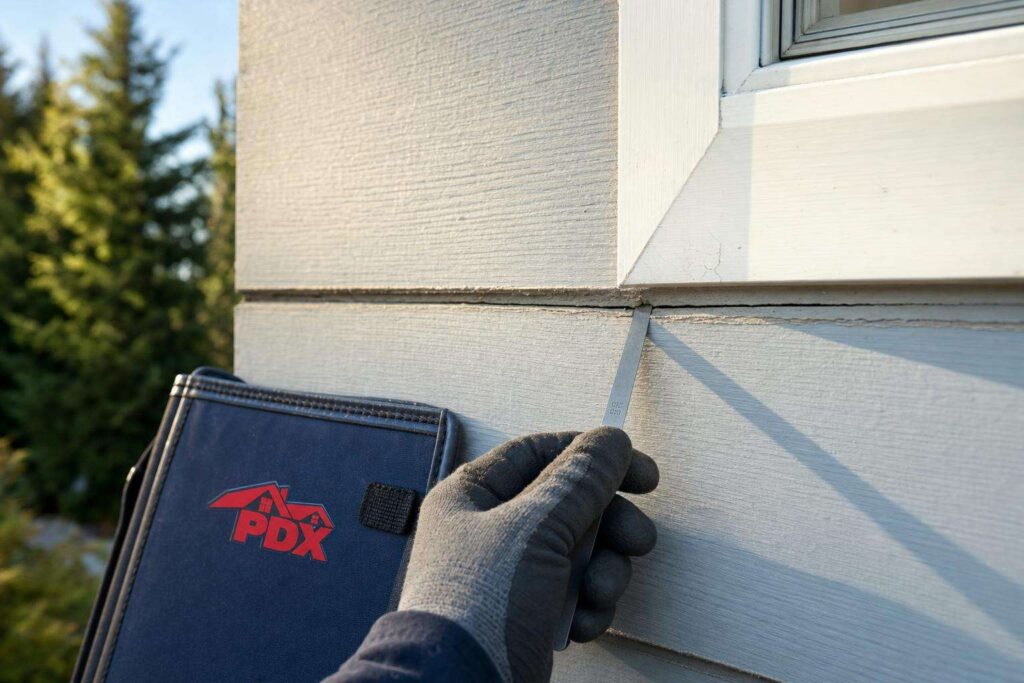
Siding joint issues are not always dramatic at first. Small openings or stressed sealant lines can become larger problems if ignored through repeated heat cycles.
Watch for these warning signs
- Gaps opening between siding boards or panels
- Cracked, pulling, or missing caulk at joints and trim
- Bulging or wavy siding sections
- Loose trim around windows, doors, corners, or fascia
- Paint cracking along seams or butt joints
- Soft, swollen, or discolored siding near joint lines
- Water staining inside the home near exterior walls
If you notice any of these conditions, a professional siding repair and maintenance inspection can help determine whether the issue is cosmetic, moisture-related, or connected to improper installation spacing.
How Heat Expansion Affects Different Siding Materials
Every siding material responds differently to summer heat. The right maintenance approach depends on the material, installation method, and exposure level of the wall.
Fiber cement siding
Fiber cement siding is a durable option for Northwest homes, but its joints still need proper flashing, caulking where required, and correct clearances. If caulk fails or boards are installed too tightly, seasonal movement may reveal gaps or stress points.
Wood siding
Wood siding can expand and contract with both heat and moisture. Joint maintenance often includes checking paint protection, inspecting end cuts, and confirming that vulnerable seams are sealed and able to shed water.
Engineered or composite siding
Composite siding products can perform well when installed according to manufacturer guidelines. Problems may appear when joints lack proper spacing, flashing, or sealant maintenance.
Vinyl siding
Vinyl siding is designed to move with temperature changes. If it is nailed too tightly or restricted at trim, it can buckle during hot weather. A trained siding contractor can identify whether movement is expected or a sign of improper fastening.
Best Maintenance Practices for Siding Joints
Good siding joint maintenance focuses on keeping water out while allowing materials to move as designed. The goal is not to lock every joint rigidly in place, but to preserve the system’s intended performance.
Schedule seasonal exterior checks
Walk around your home during dry weather and look closely at joints, corners, window trim, door trim, and areas exposed to direct afternoon sun. South- and west-facing walls often show heat-related movement sooner.
Keep sealant lines in good condition
Cracked or separated caulk can allow moisture behind siding. The correct sealant should be compatible with the siding material and applied where the manufacturer recommends it.
Do not ignore small gaps
A small joint opening may indicate normal movement, failed sealant, or an installation concern. The difference matters. A siding professional can determine whether repair, resealing, or siding replacement is the better path.
Check flashing and drainage paths
Siding joints work together with flashing, house wrap, and drainage planes. If water cannot drain properly, heat expansion may only be one part of the issue.
Coordinate siding and roofing inspections
Many exterior problems overlap. A licensed roofing company can evaluate roof edges, wall transitions, gutters, and siding connections together. This is especially helpful when planning roof repair, roof installation, siding replacement, or broader home exterior upgrades.
When Siding Joint Problems Point to a Bigger Issue
Not every gap requires a major project, but some patterns deserve a closer look. Repeated caulk failure, widespread buckling, soft siding, or visible water damage may point to deeper moisture problems or installation defects.
It may be time to call Pdx roofing and siding if:
- Joints reopen soon after being sealed
- Siding boards appear swollen or distorted
- Trim is pulling away from the wall
- There are stains, mildew, or soft areas near seams
- Multiple walls show similar movement
- You are already considering siding replacement or roof repair
Because Portland homes face a mix of rain, shade, heat, and seasonal temperature changes, it is important to choose exterior solutions that fit the local climate.
Why Work With a Portland Exterior Contractor
A qualified Portland roofing contractor or siding specialist understands how local weather affects building exteriors. The right contractor will look beyond the surface and evaluate installation spacing, drainage, flashing, trim transitions, and compatible roofing materials.
Pdx roofing and siding provides services for roof installation, asphalt shingle roofing, roof repair, emergency roof repair, siding repair, and siding replacement across Portland, OR and the Portland Metro. Whether your concern is a few stressed siding joints or a larger exterior project, a professional assessment can help you make a confident decision.
Request Help From Pdx roofing and siding
If summer heat is causing siding joints to open, buckle, or show signs of sealant failure, contact Pdx roofing and siding for experienced guidance. Services and offers are subject to availability and approval. For practical next steps, Call roof installation now and talk with the team about timing, scope, and the right path for your situation.